
If you drive a Mercedes in heavy city traffic, you may have noticed the check engine light suddenly turning on without any obvious symptoms. No strange noises, no performance drop—yet that warning light keeps glowing.
This situation can be confusing and stressful, especially when the car otherwise feels fine.
In this guide, we’ll explain the real reasons why your Mercedes check engine light appears in stop-and-go traffic, what it means, how serious it is, and what you should do next. Whether you’re commuting daily or stuck in bumper-to-bumper jams, this blog will help you understand the issue clearly—without technical jargon.
What Does the Check Engine Light Mean in a Mercedes?
The check engine light (CEL), also known as the Malfunction Indicator Lamp (MIL), is part of your Mercedes’ onboard diagnostic system (OBD). It alerts you when the car’s ECU (Engine Control Unit) detects something abnormal.
This doesn’t always mean your engine is about to fail. Sometimes it’s minor—like a loose gas cap. Other times, it can indicate deeper mechanical or emissions-related problems.
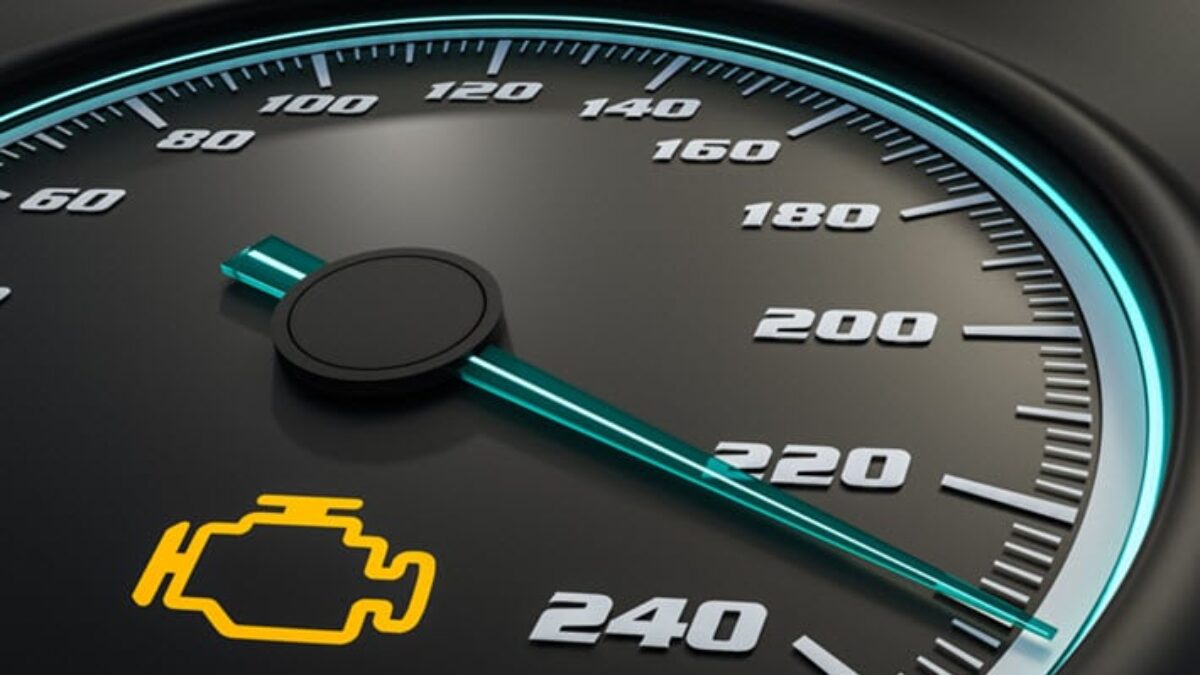
Solid vs Blinking Check Engine Light
- Solid Light: Usually indicates a non-critical issue. You can drive, but diagnosis is needed.
- Blinking Light: Signals a severe problem, often related to misfires. Stop driving immediately.
In city traffic, the light usually appears as a solid warning, triggered by stress on engine components due to frequent stops, idling, and heat buildup.
Why City Traffic Triggers the Check Engine Light in Mercedes Cars?
Urban driving conditions are tough on modern luxury cars. Mercedes engines are precision-built, and they rely heavily on sensors, software, and airflow. City congestion disrupts all three.
Here are the most common reasons:
1. Excessive Idling and Low-Speed Driving
In city traffic, your Mercedes spends a lot of time idling. This leads to:
- Carbon buildup
- Incomplete combustion
- Poor fuel-air mixture
- Increased exhaust residue
All of these can confuse sensors and trigger fault codes.
How This Affects Your Engine
When your engine runs at low RPMs for long periods, the combustion process becomes inefficient. This causes residue to build up in components like the intake valves and throttle body, which can activate the check engine light.
2. Faulty Oxygen (O2) Sensors
Oxygen sensors monitor how much unburnt oxygen is present in the exhaust gases. In traffic:
- Frequent braking
- Sudden acceleration
- Constant idling
These conditions confuse the sensors and sometimes make them fail prematurely.
Signs of a Bad O2 Sensor
- Poor fuel economy
- Rough idling
- Check engine light stays on
- Delayed throttle response
A failing O2 sensor can lead to incorrect fuel injection, increasing emissions and damaging the catalytic converter.
3. Clogged or Failing Catalytic Converter
The catalytic converter reduces harmful emissions. In traffic-heavy conditions:
- It overheats
- Gets clogged with carbon
- Becomes inefficient
This is a very common reason for check engine warnings in city-driven Mercedes vehicles.
Why Traffic Makes It Worse
Short drives don’t allow the converter to reach optimal temperature. Over time, this leads to internal blockage, triggering error codes.
4. Dirty or Malfunctioning Mass Airflow (MAF) Sensor
Your Mercedes uses a Mass Airflow Sensor to calculate how much air enters the engine. City dust, pollution, and stop-start driving cause it to accumulate grime quickly.
When the MAF sensor misreads airflow:
- Fuel mixture becomes unbalanced
- Engine performance drops
- Emissions increase
The ECU then triggers the check engine light.
5. Weak Battery or Charging System Issues
Luxury vehicles like Mercedes are extremely sensitive to voltage changes. In traffic, electrical load increases due to:
- AC usage
- Infotainment systems
- Stop-start systems
- Sensors running continuously
A weak battery or alternator can trigger false engine codes.
6. Evaporative Emissions (EVAP) System Faults
The EVAP system prevents fuel vapors from escaping into the air. In hot city traffic:
- Fuel expands
- Vapors build up
- Pressure increases
If any EVAP component fails, the system throws a fault code—lighting up your dashboard.
7. Engine Overheating in Traffic
Low airflow + high temperatures + continuous idling = engine heat buildup.
Mercedes cars are engineered for performance, but excessive heat can affect:
- Coolant sensors
- Thermostats
- Radiator fans
Even a minor cooling system inefficiency can activate the check engine warning.
Should You Keep Driving When the Light Comes On?
This depends on the severity.
You Can Drive If:
- The light is solid
- No unusual noises
- No power loss
- No vibrations
Stop Driving If:
- Light is blinking
- Engine is misfiring
- Car is shaking
- Burning smell
Driving with a serious issue can turn a small repair into a massive expense.
How to Diagnose the Real Problem?
Step 1: Scan for Error Codes
Modern Mercedes cars store fault codes. A professional diagnostic scan will tell exactly what’s wrong.
Avoid generic scanners; Mercedes uses advanced systems that require specialized tools.
Step 2: Visual Inspection
A technician will check:
- Hoses
- Wiring
- Battery voltage
- Vacuum leaks
Step 3: Live Data Analysis
Real-time engine data reveals subtle problems that error codes alone cannot.
Why You Shouldn’t Ignore the Check Engine Light?
Ignoring it can lead to:
- Reduced fuel efficiency
- Engine damage
- Failed emissions tests
- Expensive component failures
Luxury engines are complex. A small fault today can become a major overhaul tomorrow.
Mercedes Maintenance Tips for City Drivers
If you regularly drive in urban traffic, follow these habits:
1. Take Longer Highway Drives Occasionally
This helps burn off carbon deposits and cleans internal components.
2. Use Premium-Quality Fuel
Low-grade fuel causes more residue buildup.
3. Don’t Skip Scheduled Servicing
Luxury vehicles need proactive maintenance—not reactive fixes.
4. Watch for Small Changes
Rough idle, slow acceleration, or unusual smells can indicate problems early.
When to Visit a Specialist Workshop?
Not all workshops understand luxury car electronics. Mercedes vehicles require specialized knowledge, tools, and software.
If you’re looking for expert-level Mercedes Repair, it’s important to choose a workshop that understands the brand’s diagnostic systems and engine architecture.
The same goes for premium brands like BMW Repair and Porsche Car Repair—each has unique engine configurations and sensor networks.
For city drivers who want reliable diagnostics, long-term solutions, and professional handling, choosing a trusted Luxury Car Repair Service can make all the difference.
Common Questions About Mercedes Check Engine Lights
Can Bad Traffic Alone Trigger the Light?
Traffic itself doesn’t directly trigger the light—but the stress it places on components can.
Will the Light Turn Off on Its Own?
Sometimes, yes. If the issue was temporary (like a sensor glitch), it may reset. But don’t rely on this.
Is It Expensive to Fix?
Costs vary. Some fixes are simple (sensor cleaning). Others (catalytic converters, fuel systems) are expensive if delayed.
Should I Reset the Light Myself?
Resetting without diagnosis is risky. You might hide a real problem.
Final Thoughts
City traffic is brutal on modern luxury cars, and Mercedes vehicles—despite their engineering excellence—are no exception. The check engine light is not your enemy; it’s your car’s way of communicating.
Understanding the real reasons behind it empowers you to take the right action early—saving money, preventing breakdowns, and ensuring your Mercedes performs the way it should.
If the warning light appears, don’t panic—but don’t ignore it either.