
Your car may feel smooth one day and slightly heavy the next. The road is the same. The driving style is the same. Still, the difference is noticeable.
Weather plays a major role in this change. Temperature, humidity, and seasonal conditions directly affect how your car performs.
This impact is not limited to comfort. It affects engine power, fuel efficiency, pickup, and overall driving experience.
How Weather Impacts Car Performance?
A car engine works by mixing air and fuel. The quality and density of air change with weather conditions.
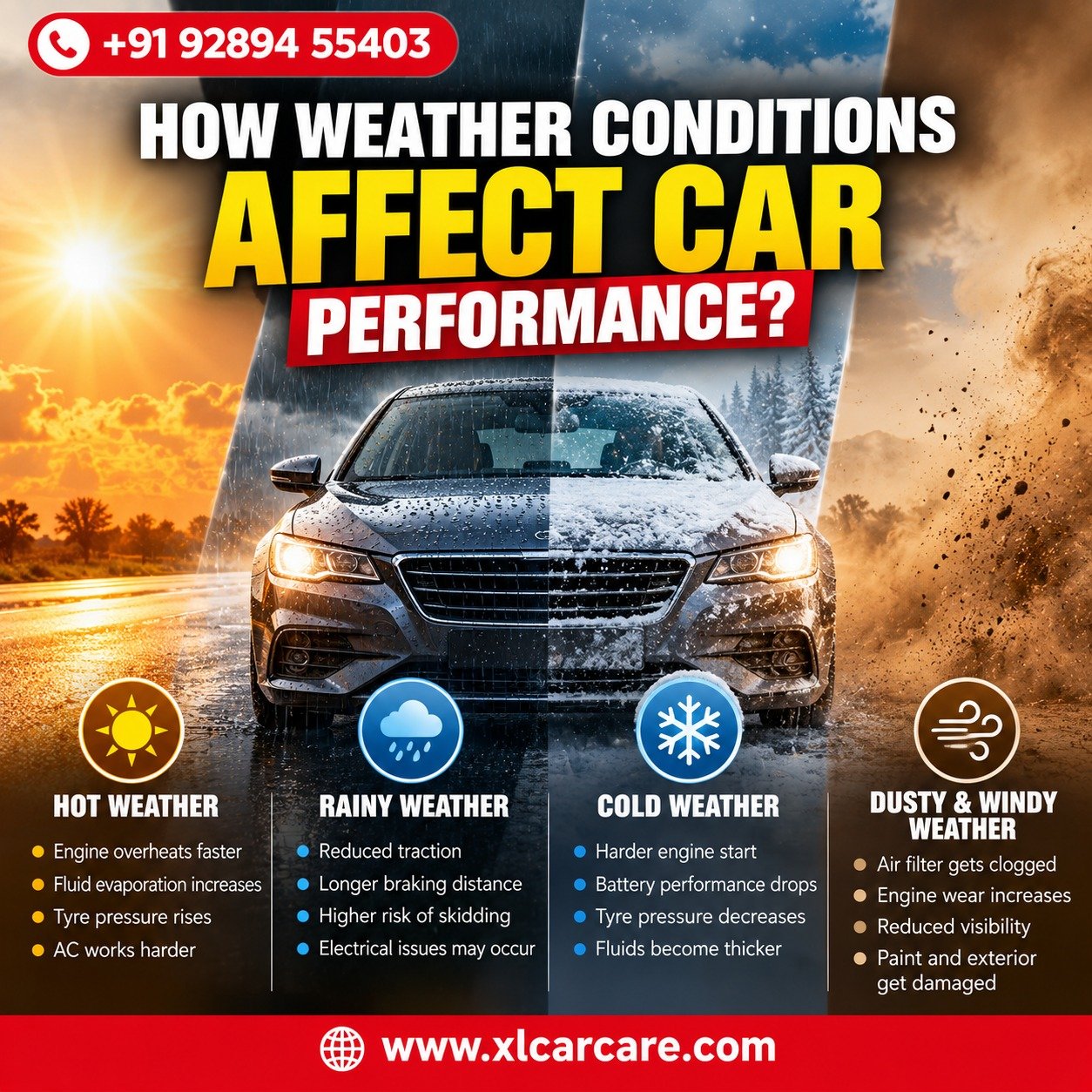
When the weather changes, the combustion process inside the engine also changes. This leads to variations in performance.
Impact of Temperature on Car Performance
Hot Weather Effects
High temperatures put extra stress on the engine. The air becomes thinner, which means less oxygen is available.
With less oxygen, fuel does not burn as efficiently. This leads to a noticeable drop in engine power.
Using the air conditioner increases engine load. As a result, the car may feel slower during acceleration.
There is also a higher risk of engine overheating. If the cooling system is not in good condition, the problem can become serious.
Even premium vehicles face similar issues. Regular inspection at a professional center like BMW repair and service helps keep the cooling system in proper condition.
Cold Weather Effects
In cold weather, engine oil becomes thicker. This makes it harder for the engine to start smoothly.
The battery also performs less efficiently. Starting issues are common during early mornings.
Fuel consumption increases because the engine needs more energy to reach its optimal temperature.
Short trips make the situation worse. The engine does not get enough time to warm up fully.
Humidity and Its Effect
Humidity refers to the amount of moisture in the air. Moist air contains less oxygen compared to dry air.
This reduces combustion efficiency. The engine may feel slightly less responsive.
On humid days, especially in traffic, the car may feel slower than usual.
Air Density and Engine Performance
Air density is a key factor in engine performance.
Cold air is dense and contains more oxygen. This allows better combustion and improved performance.
Hot air is less dense. It contains less oxygen, which reduces engine output.
This is why cars often feel more responsive in cooler weather and slightly sluggish in extreme heat.
Seasonal Impact on Cars in India
Summer Season
Indian summers can be extreme. Temperatures often go above 40°C.
Engines heat up quickly. Air conditioning adds extra load. Traffic conditions make it worse.
Low coolant levels increase the risk of overheating.
Winter Season
In many regions, winter brings low temperatures and fog.
Cold starts become difficult. Battery performance drops.
Engines take longer to reach the ideal temperature. This reduces fuel efficiency.
Monsoon Season
Rain changes road conditions completely.
Wet roads reduce tire grip. Braking distance increases.
Water exposure can affect electrical components if not handled properly.
Effect on Key Car Components
Engine
Temperature changes affect engine efficiency. Overheating and cold starts both reduce performance.
Battery
Cold weather weakens battery output. Starting issues become more frequent.
Tires
Temperature changes affect tire pressure. Incorrect pressure reduces stability and control.
Fluids
Engine oil, coolant, and brake fluid react to weather changes. Regular checks are essential.
How Weather Affects Fuel Efficiency?
Fuel efficiency is closely linked to weather conditions.
In cold weather, mileage drops because the engine consumes more fuel to warm up.
In hot weather, the air conditioner increases fuel consumption.
Humidity also reduces combustion efficiency, which indirectly affects mileage.
Signs Your Car Is Affected by Weather
The car feels heavier than usual.
Acceleration becomes slower.
Fuel efficiency drops suddenly.
Engine temperature rises quickly.
Starting problems occur in the morning.
If these signs appear frequently, a proper inspection is recommended. Professional centers like Mercedes repair and service offer accurate diagnostics.
Practical Tips to Handle Weather Impact
For Summer
Check coolant levels regularly.
Do not ignore overheating warnings.
Avoid excessive use of the air conditioner when possible.
For Winter
Allow the engine to warm up before driving.
Keep the battery in good condition.
Avoid frequent short trips.
For Monsoon
Inspect tire tread regularly.
Ensure brakes are functioning properly.
Drive carefully in waterlogged areas.
When to Get Professional Help
Regular inspection during seasonal changes is helpful.
If performance issues appear frequently, it is better to act early.
Luxury vehicles require more precise maintenance. Services like Audi repair and service provide detailed checks and reliable solutions.
Experienced technicians can quickly identify weather-related issues and prevent further damage.
Final Thoughts
Weather is a key factor that influences car performance.
Temperature, humidity, and seasonal changes all play a role.
Regular maintenance helps control these effects. Pay attention to how your car behaves. Small changes can indicate larger issues.